
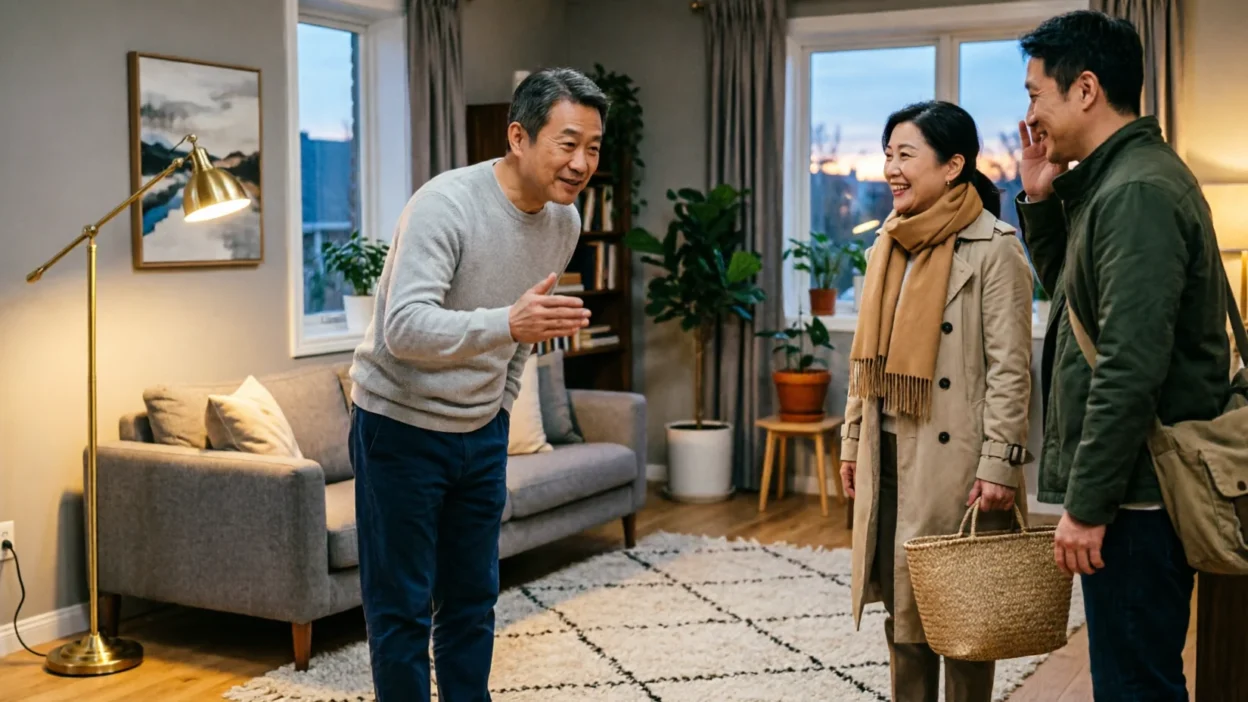
There are times when you enjoy having guests over, but eventually the visit needs to come to an end. Whether you have work to finish, need some rest, or simply want personal time, knowing ways to politely ask someone to leave your house can help you maintain good relationships while respecting your own boundaries.
The key is to be kind, respectful, and clear. A polite hint or friendly statement is often enough to signal that it’s time to wrap things up. In this guide, you’ll find thoughtful, professional, humorous, and casual ways to ask guests to head home without creating awkwardness.
1. “I Hate to Cut Things Short, But I Need to Get Going”
Best for: Friendly visits
Alternative: I have an early start tomorrow
Examples:
“I hate to cut things short, but I need to get going.”
“I’ve really enjoyed this, but I need to wrap up my evening.”
A polite and honest approach.
2. “I’ve Got an Early Morning Tomorrow”
Best for: Evening gatherings
Alternative: Busy schedule
Examples:
“I’ve got an early morning tomorrow.”
“I need to get some rest before tomorrow.”
A common and accepted reason.
3. “I Should Probably Start Winding Down”
Best for: Close friends
Alternative: Time to relax
Examples:
“I should probably start winding down.”
“I need some quiet time before bed.”
Gentle and considerate.
4. “Thanks So Much for Coming Over”
Best for: Ending a visit naturally
Alternative: Great seeing you
Examples:
“Thanks so much for coming over.”
“It was really nice catching up.”
Signals the visit is ending.
5. “I Need to Finish a Few Things Tonight”
Best for: Honest explanations
Alternative: Personal tasks
Examples:
“I need to finish a few things tonight.”
“I’ve still got some work to do.”
Respectful and direct.
6. “I Don’t Want to Keep You Too Late”
Best for: Polite hosts
Alternative: Looking out for guests
Examples:
“I don’t want to keep you too late.”
“You probably have things to do tomorrow.”
Shifts the focus toward their comfort.
7. “It’s Getting Pretty Late”
Best for: Casual hints
Alternative: Time awareness
Examples:
“Wow, it’s getting pretty late.”
“I didn’t realize how late it’s gotten.”
A subtle cue.
8. “Let’s Do This Again Soon”
Best for: Positive endings
Alternative: Future plans
Examples:
“Let’s do this again soon.”
“We should catch up again next week.”
Ends on a friendly note.
9. “I Think I’m Calling It a Night”
Best for: Evening visits
Alternative: Bedtime signal
Examples:
“I think I’m calling it a night.”
“I’m ready to turn in for the evening.”
Clear and polite.
10. “I Need Some Time to Recharge”
Best for: Introverts
Alternative: Personal time
Examples:
“I need some time to recharge.”
“I’ve reached my social limit for today.”
Honest and respectful.
11. “I Should Start Cleaning Up”
Best for: After gatherings
Alternative: Wrapping up
Examples:
“I should start cleaning up.”
“I’ve got a bit of tidying to do.”
Naturally signals the end.
12. “I’ve Got a Busy Day Ahead”
Best for: Professional adults
Alternative: Work commitments
Examples:
“I’ve got a busy day ahead.”
“Tomorrow’s going to be packed.”
A practical reason.
13. “I Need to Get Ready for Tomorrow”
Best for: Weeknights
Alternative: Preparation time
Examples:
“I need to get ready for tomorrow.”
“I still have a few things to prepare.”
Simple and believable.
14. “I Better Let You Head Home”
Best for: Friendly conversations
Alternative: Travel consideration
Examples:
“I better let you head home.”
“I don’t want to keep you out too long.”
Polite and thoughtful.
15. “The Couch Is Starting to Look Very Tempting”
Best for: Humorous exits
Alternative: Sleepy jokes
Examples:
“The couch is calling my name.”
“I think sleep is winning this battle.”
16. “I’m Starting My Night Routine”
Best for: Casual honesty
Alternative: Evening plans
Examples:
“I’m starting my night routine.”
“I need to get settled for bed.”
A natural transition.
17. “I Need to Take Care of a Few Chores”
Best for: Everyday situations
Alternative: Household tasks
Examples:
“I need to take care of a few chores.”
“I’ve still got some things around the house.”
Practical and polite.
18. “I Should Let You Get Back to Your Evening”
Best for: Considerate hosts
Alternative: Respecting their time
Examples:
“I should let you get back to your evening.”
“You probably have things to do as well.”
Courteous wording.
19. “It’s Been Great Having You Here”
Best for: Warm endings
Alternative: Appreciative tone
Examples:
“It’s been great having you here.”
“I really enjoyed your company.”
Friendly and positive.
20. “I Need a Little Quiet Time”
Best for: Personal boundaries
Alternative: Alone time
Examples:
“I need a little quiet time.”
“I’ve got to recharge my batteries.”
Honest without being rude.
21. “I’ve Got Some Calls to Make”
Best for: Scheduling conflicts
Alternative: Commitments
Examples:
“I’ve got some calls to make.”
“I need to catch up on a few things.”
A gentle excuse.
22. “My To-Do List Is Calling”
Best for: Casual humor
Alternative: Productivity jokes
Examples:
“My to-do list is calling.”
“Adult responsibilities have arrived.”
Playful but effective.
23. “Time Really Flew By”
Best for: Friendly exits
Alternative: Ending naturally
Examples:
“Time really flew by tonight.”
“I can’t believe it’s this late already.”
Creates a natural transition.
24. “I Need to Give the House Some Attention”
Best for: Homeowners
Alternative: Household responsibilities
Examples:
“I need to give the house some attention.”
“I’ve got a few things to handle here.”
Polite and practical.
25. “I Think It’s Time for Me to Wrap Up”
Best for: Direct but kind communication
Alternative: Closing the evening
Examples:
“I think it’s time for me to wrap up.”
“I need to finish up my day.”
Clear and respectful.
26. “I Promised Myself an Early Night”
Best for: Evening visits
Alternative: Sleep goals
Examples:
“I promised myself an early night.”
“I’m trying to stick to my sleep schedule.”
Relatable and friendly.
27. “I’ve Really Enjoyed Our Visit”
Best for: Positive departures
Alternative: Appreciation
Examples:
“I’ve really enjoyed our visit.”
“Thanks for spending time here.”
Softens the transition.
28. “I Need to Get Back Into Work Mode”
Best for: Work-from-home situations
Alternative: Productivity focus
Examples:
“I need to get back into work mode.”
“I’ve still got some tasks waiting.”
Professional and understandable.
29. “I’m About Ready to Call It a Day”
Best for: Casual conversations
Alternative: End-of-day signal
Examples:
“I’m about ready to call it a day.”
“I think my day is officially over.”
A natural ending.
30. “Thanks Again for Coming By”
Best for: Final goodbye
Alternative: Warm farewell
Examples:
“Thanks again for coming by.”
“I appreciate you stopping over.”
A gracious closing statement.
Conclusion
Learning ways to politely ask someone to leave your house helps you maintain healthy boundaries while preserving friendships and relationships. The best approach is usually kind, clear, and appreciative, making guests feel valued even as the visit comes to an end.
Whether you choose a direct statement, a subtle hint, or a humorous remark, these phrases can help you end visits gracefully and avoid unnecessary awkwardness.
FAQs
How do you politely tell guests it’s time to leave?
Thank them for coming, mention another commitment, and gently indicate that you need to end the visit.
Is it rude to ask someone to leave your house?
No. It’s your home, and setting respectful boundaries is perfectly acceptable.
What is the nicest way to end a visit?
“It’s been great having you here, but I need to get ready for tomorrow” is warm and polite.
How can I ask someone to leave without hurting their feelings?
Be appreciative, friendly, and honest. Most people understand when hosts need personal time.
Should I be direct or subtle?
That depends on the guest. Some people respond well to hints, while others may need a clearer statement.

Anthony George is an independent American author and blogger known for creating and managing his self-founded blogging platform.
He writes about personal growth, digital creativity, and modern online entrepreneurship.
Through his blog, he shares practical insights and experiences to inspire aspiring writers and content creators.