
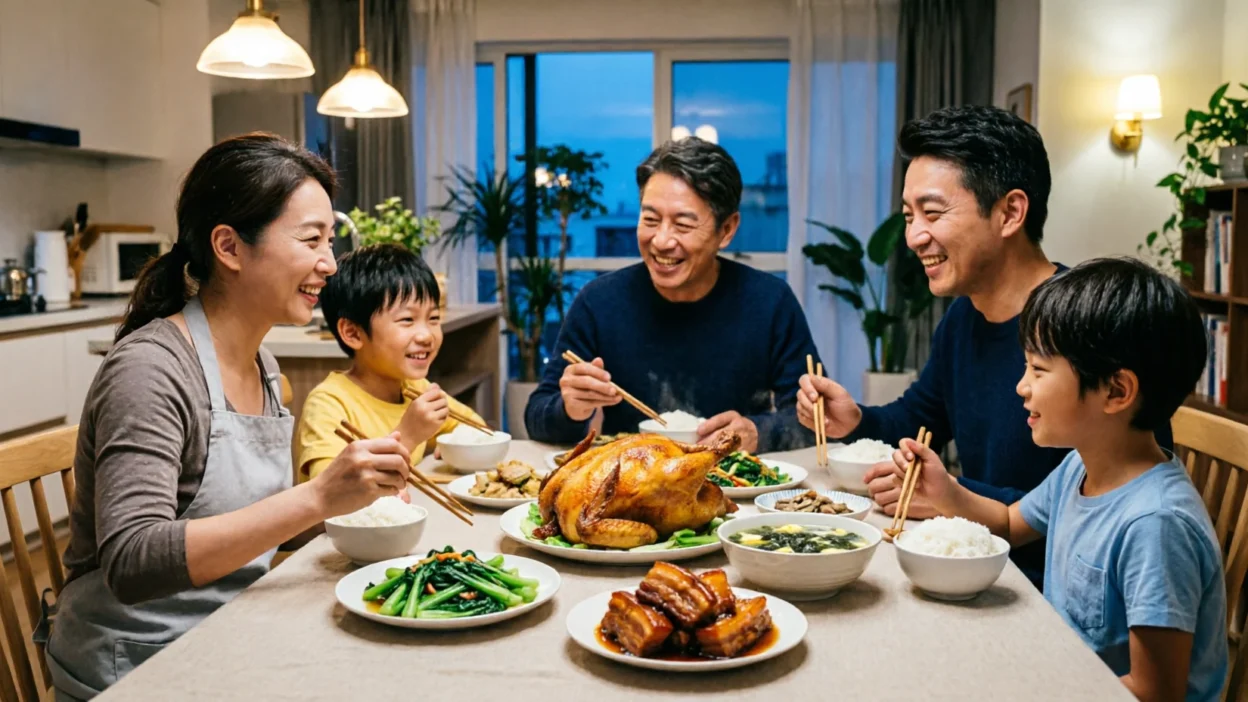
Telling someone to “eat your dinner” can sometimes sound a bit plain or repetitive—especially if you’re speaking to kids, friends, or even using it in writing.
Whether you want to sound more polite, fun, encouraging, or creative, there are plenty of better ways to say it that feel more engaging and natural.
That’s where creative alternatives to eat your dinner come in. From playful phrases for children to polite expressions for guests or humorous lines for friends, the right wording can completely change the tone.
In this guide, you’ll find a variety of fresh, relatable, and easy-to-use phrases to make everyday conversations more interesting.
1. Time to Dig In
Best for: Casual meals
Alternative: Start eating
Examples:
“Alright, time to dig in!”
“Dinner’s ready—let’s dig in.”
Friendly and inviting.
2. Enjoy Your Meal
Best for: Polite situations
Alternative: Bon appétit
Examples:
“Enjoy your meal!”
“Hope you enjoy your dinner.”
Classic and respectful.
3. Let’s Get Eating
Best for: Family settings
Alternative: Start the meal
Examples:
“Let’s get eating!”
“Everyone ready? Let’s get eating.”
Warm and inclusive.
4. Dinner Is Served
Best for: Formal or fun tone
Alternative: Food is ready
Examples:
“Dinner is served!”
“Come on, dinner is served.”
Adds a touch of style.
5. Time to Fuel Up
Best for: Active kids or athletes
Alternative: Eat to recharge
Examples:
“Time to fuel up!”
“Let’s eat and recharge.”
Energetic and modern.
6. Come and Get It
Best for: Fun, loud call
Alternative: Food’s ready
Examples:
“Come and get it!”
“Dinner’s ready—come and get it.”
Playful and classic.
7. Let’s Feast
Best for: Special meals
Alternative: Big dinner vibe
Examples:
“Let’s feast!”
“Tonight we feast!”
Exciting and bold.
8. Grab a Bite
Best for: Casual tone
Alternative: Eat something
Examples:
“Go grab a bite.”
“Time to grab a bite.”
Relaxed and simple.
9. Eat Up
Best for: Short encouragement
Alternative: Finish your food
Examples:
“Eat up!”
“Come on, eat up while it’s warm.”
Quick and common.
10. Time for Dinner
Best for: Kids and routine
Alternative: Dinner time
Examples:
“Time for dinner!”
“Hey, it’s dinner time.”
Clear and direct.
11. Let’s Tuck In
Best for: Friendly tone
Alternative: Start eating
Examples:
“Let’s tuck in!”
“Alright everyone, tuck in.”
Warm and inviting.
12. Food’s Getting Cold
Best for: Gentle reminder
Alternative: Eat now
Examples:
“Hurry, food’s getting cold.”
“You might want to eat before it cools.”
Subtle push.
13. Have a Bite
Best for: Soft encouragement
Alternative: Try some food
Examples:
“Have a bite.”
“Just have a bite first.”
Gentle tone.
14. Time to Eat
Best for: Simple communication
Alternative: Start eating
Examples:
“Time to eat!”
“Okay, time to eat now.”
Very straightforward.
15. Let’s Enjoy Dinner
Best for: Warm family tone
Alternative: Enjoy together
Examples:
“Let’s enjoy dinner together.”
“Come on, let’s enjoy dinner.”
Positive and calm.
16. Give It a Try
Best for: Picky eaters
Alternative: Taste it
Examples:
“Just give it a try.”
“Try a little bite.”
Encouraging.
17. Eat While It’s Hot
Best for: Practical reminder
Alternative: Fresh food
Examples:
“Eat while it’s hot.”
“Best enjoyed warm!”
Logical and useful.
18. Fill Your Plate
Best for: Buffet or gatherings
Alternative: Serve yourself
Examples:
“Go fill your plate.”
“Help yourself.”
Inviting and flexible.
19. Let’s Have Dinner
Best for: Neutral tone
Alternative: Sit and eat
Examples:
“Let’s have dinner.”
“Come on, let’s have dinner.”
Simple and polite.
20. Time to Recharge
Best for: Modern tone
Alternative: Energy boost
Examples:
“Time to recharge.”
“Let’s eat and recharge.”
Trendy and motivational.
21. Don’t Let It Go to Waste
Best for: Encouragement
Alternative: Finish food
Examples:
“Don’t let it go to waste.”
“Make sure you finish it.”
Practical reminder.
22. Have Your Dinner
Best for: Polite instruction
Alternative: Eat your meal
Examples:
“Please have your dinner.”
“Go ahead and have your meal.”
Gentle and respectful.
23. Let’s Sit and Eat
Best for: Family bonding
Alternative: Eat together
Examples:
“Let’s sit and eat.”
“Come, let’s eat together.”
Warm and meaningful.
24. Go Enjoy Your Food
Best for: Friendly tone
Alternative: Enjoy eating
Examples:
“Go enjoy your food.”
“Enjoy every bite.”
Positive and cheerful.
25. Time to Refuel
Best for: Kids or teens
Alternative: Eat energy
Examples:
“Time to refuel.”
“Let’s refuel and relax.”
Fun and modern.
26. Eat Something Good
Best for: Casual suggestion
Alternative: Have food
Examples:
“Go eat something good.”
“You should eat something.”
Relaxed and caring.
27. Let’s Dig Into This
Best for: Exciting meals
Alternative: Start eating
Examples:
“Let’s dig into this!”
“This looks amazing—let’s dig in.”
Enthusiastic.
28. Have Your Meal
Best for: Formal tone
Alternative: Eat dinner
Examples:
“Please have your meal.”
“Take your time and enjoy your meal.”
Professional and polite.
29. Go Eat Your Food
Best for: Direct tone
Alternative: Eat now
Examples:
“Go eat your food.”
“Finish your dinner.”
Straightforward.
30. Let’s Make It Disappear
Best for: Fun with kids
Alternative: Playful eating
Examples:
“Let’s make this food disappear!”
“Watch how fast this plate disappears!”
Creative and engaging.
FAQs
What are creative alternatives to “eat your dinner”?
They are fun, polite, or engaging phrases used instead of the plain instruction.
Why use different phrases?
It makes communication more engaging, especially with kids or guests.
What’s the most polite alternative?
“Enjoy your meal” is the most polite and widely used.
What’s a fun way to say it to kids?
“Let’s make it disappear!” works great for kids.
Can I use these in writing?
Yes, they are perfect for blogs, scripts, and everyday conversations.
Conclusion
Using creative alternatives to eat your dinner makes everyday communication more engaging, friendly, and enjoyable. Whether you’re speaking to kids, hosting guests, or just adding variety to your language, these phrases help you sound more natural and expressive.
Small changes in wording can make a big difference in tone. Try mixing these alternatives into your daily conversations and see how they bring more warmth, fun, and personality to simple moments like mealtime.

Anthony George is an independent American author and blogger known for creating and managing his self-founded blogging platform.
He writes about personal growth, digital creativity, and modern online entrepreneurship.
Through his blog, he shares practical insights and experiences to inspire aspiring writers and content creators.